List 5 renewable energy sources

Renewables became the second-most prevalent U.S. electricity source
In 2020, renewable energy sources (including wind, hydroelectric, solar, biomass, and geothermal energy) generated a record 834 billion kilowatthours (kWh) of electricity, or about 21% of all the electricity generated in the United States.Only natural gas (1,617 billion kWh) produced more electricity than renewables in the United States in 2020. . Renewables

Benefits of Renewable Energy Use
UCS analysis found that a 25-by-2025 national renewable electricity standard would stimulate $263.4 billion in new capital investment for renewable energy technologies, $13.5 billion in new landowner income from? biomass production and/or wind land lease payments, and $11.5 billion in new property tax revenue for local communities .

What are the different types of renewable energy?
What is renewable energy? Renewable energy is energy that comes from a source that won''t run out. They are natural and self-replenishing, and usually have a low- or zero-carbon footprint. Examples of renewable energy sources include wind power, solar power, bioenergy (organic matter burned as a fuel) and hydroelectric, including tidal energy.

Advantages and Disadvantages of Renewable and Non-renewable Energy Sources
Characteristics of Non-Renewable Energy Sources. Non-renewable energy sources are also known as stock resources because they are not obtainable in high quantities. Non-renewable energy generally exists in the form of minerals which are present in various forms in the lithosphere of the earth.

Renewable and Non-Renewable Resources: Difference
For example, the magma chamber of the supervolcano under the Yellowstone National Park releases the same amount of heat into the atmosphere every day, like six industrial power plants produce to generate electricity [3].. In areas with geothermal potential, we can easily make use of this renewable source of energy for as long as the earth''s core stays hot.

Top 5 sources of renewable energy
Renewable sources of energy like solar and wind power are our best hope of deviating from fossil fuels. Source: Mike Mareen/Adobe Stock. 3. Water. Continuing the list with another classical element, water holds the honor of being the oldest renewable energy source used by humans. The first hydroelectric plant was built in 1878 and water is

What is renewable energy? | United Nations
Renewable energy is energy derived from natural sources that are replenished at a higher rate than they are consumed. Sunlight and wind, for example, are such sources that are constantly

Non-Renewable Resources: 5 Examples Explained
The production of nuclear fuel is what makes it an example of a non-renewable resource. (Foto: CC0 / Pixabay / distelAPPArath) While nuclear energy itself is considered a renewable energy source, the process of harvesting nuclear energy is what makes nuclear fuels non-renewable. Nuclear energy is released by splitting the nucleus of an atom, in a process

Importance of Renewable Energy
The energy that is provided by renewable energy resources is used in 5 important areas such as air and water cooling/heating, electricity generation, the rural sector, and transportation. According to a report in 2016 by REN21, the global energy consumption by the use of renewable energy resources contributed to 19.2% in 2014 and 23.7% in 2015.

Renewable Energy: Everything You Need to Know
Renewable energy sources are naturally replenished and emit minimal greenhouse gasses and pollutants. Examples of renewable energy sources include the sun, wind, water, and waste. What Is Renewable Energy?

The 6 Types of Renewable Energy – And Why We Need Them Now
Biomass was the primary source of U.S. energy consumption until the mid-1800s when the industrial revolution saw the introduction of non-renewable energy sources. However, many countries still use biomass energy as a leading fuel source, particularly where cooking and heating are concerned. Sources of biomass energy. Biomass sources of energy

Renewable energy explained Types & usages
There are five main types of renewable energy. Biomass energy—Biomass energy is produced from nonfossilized plant materials.There are three main types of biomass energy: Biofuels—Biofuels include ethanol, biodiesel. renewable diesel, and other biofuels.Biofuels are mostly used as transportation fuels in the United States, and ethanol accounts for the largest

Energy Mix
Renewable energy is a collective term used to capture several different energy sources. ''Renewables'' typically include hydropower, solar, wind, geothermal, biomass, and wave and tidal energy. This interactive map shows the share of primary energy that comes from renewables (the sum of all renewable energy technologies) across the world.

Non-renewable Energy
It is crucial to understand and responsibly utilise non-renewable energy sources. Non-renewable energy encompasses fossil fuels like coal, crude oil and natural gas. This article will delve into various aspects of non-renewable energy resources,

5 alternative energy sources to speed our transition
Hydropower is one of the oldest sources of energy used for electricity generation, and until 2019, according to the EIA, it was the largest source of total annual US renewable electricity

Renewable Energy: Everything You Need to Know
Renewable energy sources are naturally replenished and emit minimal greenhouse gasses and pollutants. Examples of renewable energy sources include the sun, wind, water, and waste. What Is Renewable Energy? Renewable energy refers to energy that comes from naturally regenerating sources. These energy sources are sustainable because they can be

Non-renewable energy sources — Science Learning Hub
Non-renewable energy resources cannot be replaced – once they are used up, they will not be restored (or not for millions of years). Non-renewable energy resources include fossil fuels and nuclear power.. Fossil fuels. Fossil fuels (coal, oil and natural gas) were formed from animals and plants that lived hundreds of millions of years ago (before the time of the dinosaurs).

5 Environmental Impacts of Renewable Electricity Generation
Renewable energy sources generally have an NER value greater than one. For fossil-fuel energy technologies, the NER is commonly referred to as the lifecycle efficiency. However, there is some inconsistency in the literature on how the NER is defined when the energy technology itself is based on a fossil fuel. In these cases, some researchers

Introduction to Renewable Energy
Most renewable energy resources have significantly lower environmental and climate impacts than their fossil fuel counterparts. The data in these Fast Facts do not reflect two important renewable energy resources: traditional biomass, which is widespread but difficult to measure; and energy efficiency, a critical strategy for reducing energy
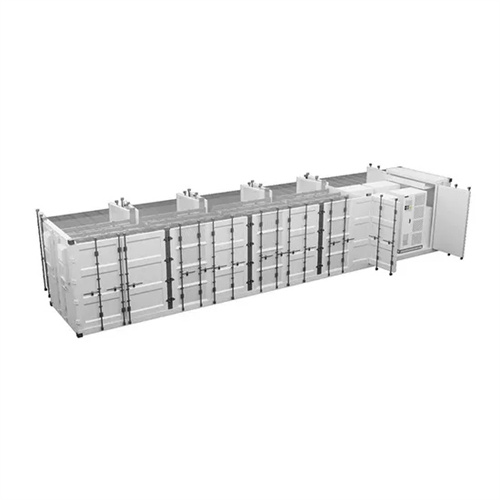
10.5: Renewable Energy Sources
The potential of renewable energy resources varies dramatically. Solar energy is by far the most plentiful, delivered to the surface of the earth at a rate of 120,000 Terawatts (TW), compared to the global human use of 15 TW. To put this in perspective, covering 100×100 km2 of desert with 10% efficient solar cells would produce 0.29 TW of

Nonrenewable Energy
Nonrenewable energy comes from sources that will run out or will not be replenished in our lifetimes—or even in many, many lifetimes.. Most nonrenewable energy sources are fossil fuels: coal, petroleum, and natural gas.Carbon is the main element in fossil fuels. For this reason, the time period that fossil fuels formed (about 360-300 million years

5 alternative energy sources to speed our transition away from
Hydropower is one of the oldest sources of energy used for electricity generation, and until 2019, according to the EIA, it was the largest source of total annual US renewable electricity

1.13: Non-renewable energy sources
Renewable energy sources are more commonly by used in developing nations. Industrialized societies depend on non-renewable energy sources. Fossil fuels are the most commonly used types of non-renewable energy. They were formed when incompletely decomposed plant and animal matter was buried in the earth''s crust and converted into carbon-rich

Renewable energy – powering a safer future | United Nations
Renewable energy sources, such as wind and solar, emit little to no greenhouse gases, are readily available and in most cases cheaper than coal, oil or gas. Renewable energy – powering a safer

Renewable Energy | Types, Forms & Sources
Wind is a plentiful source of clean energy. especially here in the UK. Wind farms are an increasingly familiar sight in the UK with wind power making an ever-increasing contribution to the National Grid, it now powers around 29.4% of the UK supply!. There are two main types of wind turbines available, offshore and onshore.

Khan Academy
If you''re seeing this message, it means we''re having trouble loading external resources on our website. If you''re behind a web filter, please make sure that the domains *.kastatic and *.kasandbox are unblocked. Explore. Browse By Standards; Virginia Math. NEW. Grade 6 (Virginia) NEW.

Types of Renewable Energy
Renewable energy, also known as clean energy, is produced from natural resources that are generated and replenished faster than they are consumed—such as the sun, water and wind.Most renewable energy sources produce zero carbon emissions and minimal air pollutants. Fossil fuels (oil, coal and natural gas) on the other hand, are finite resources and release harmful

Sources of Energy: A Comparison | CFR Education
Despite the diversity of energy sources available, most countries rely on the three major fossil fuels. In 2018, more than 81 percent of the energy countries produced came from fossil fuels. Hydroelectricity and other renewable energy (14 percent) and nuclear energy (about 5 percent) accounted for the remainder.

Renewables
In 2028, renewable energy sources account for over 42% of global electricity generation, with the share of wind and solar PV doubling to 25%. Renewables 2023. Share of renewable electricity generation by technology, 2000-2028 Open Tracking Renewables. More efforts needed. Renewables play a critical role in clean energy transitions.

7 Types of Renewable Energy: The Future of Energy
source. Benefits. Wind energy is a clean energy source, which means that it doesn''t pollute the air like other forms of energy. Wind energy doesn''t produce carbon dioxide, or release any harmful products that can cause environmental degradation or negatively affect human health like smog, acid rain, or other heat-trapping gases. [2] Investment in wind energy technology
