Is natural gas renewable source of energy

Sources Of Energy
These type of energy resources do not replenish at the same speed at which it is used. They take millions of years to replenish. The main examples of non-renewable resources are coal, oil and natural gas. Examples of non-renewable sources of energy are: Natural gas, coal, petroleum, nuclear energy and hydrocarbon gas liquids.

What is renewable natural gas?
Renewable Natural Gas (RNG) is a form of renewable energy that''s already being used all over the world to heat homes and also decarbonise the transportation sector. RNG projects offset geological natural gas use and can divert methane produced by waste from entering the atmosphere, resulting in meaningful carbon emission reductions.

Solar Energy
Solar energy is a form of renewable energy, in which sunlight is turned into electricity, heat, or other forms of energy we can use is a "carbon-free" energy source that, once built, produces none of the greenhouse gas emissions that are driving climate change. Solar is the fastest-growing energy source in the world, adding 270 terawatt-hours of new electricity

Benefits of Renewable Energy Use
Likewise, natural gas prices have fluctuated greatly since 2000 . Using more renewable energy can lower the prices of and demand for natural gas and coal by increasing competition and diversifying our energy supplies. And an increased reliance on renewable energy can help protect consumers when fossil fuel prices spike.

Can Natural Gas Be Part of a Low-Carbon Future?
I n the mid-2010s it became common to say that natural gas would be a bridge fuel to a zero-carbon future, in which solar, wind and other renewable technologies provide all of our energy without

What are the safest and cleanest sources of energy?
Methodology and notes Global average death rates from fossil fuels are likely to be even higher than reported in the chart above. The death rates from coal, oil, and gas used in these comparisons are sourced from the

Renewable Energy Explained
In any discussion about climate change, renewable energy usually tops the list of changes the world can implement to stave off the worst effects of rising temperatures. That''s because renewable energy sources, such as solar and wind, don''t emit carbon dioxide and other greenhouse gases that contribute to global warming. Clean energy has far more to

Biofuel | Definition, Renewable Energy, Types, & Pros and Cons
Biofuel is a renewable energy source that is derived from plant, algal, or animal biomass. Biofuel is advocated as a cost-effective and environmentally benign alternative to petroleum and other fossil fuels. Learn more about the types and manufacture of biofuels as well as their economic and environmental considerations.

Importance of Renewable Energy
Energy is one of the major inputs for the economic development of the country. Any sustainable energy source that comes from the natural environment is a renewable energy source. Renewable energy is inexhaustible and a clean alternative to fossil fuels. In this article, we will learn about the types and sources of renewable energy.

How Natural Gas is Enabling the Renewable Energy Boom
13 hours ago· Solar and wind energy, while rapidly growing, are intermittent and require backup power sources to maintain grid reliability. Natural gas is currently the most viable option for providing this

Solar and wind to lead growth of U.S. power generation for the
In contrast to growing generation from renewables, we forecast that coal power generation will decline 18% from 665 billion kWh in 2023 to 548 billion kWh in 2025. We forecast natural gas will continue to be the largest source of U.S. electricity generation, with about 1,700 billion kWh of annual generation in 2024 and 2025, similar to last year.

Renewable Energy
Renewable energy comes from unlimited, naturally replenished resources, such as the sun, tides, and wind. Renewable energy can be used for electricity generation, space and water heating and cooling, and transportation. Non-renewable energy, in contrast, comes from finite sources, such as coal, natural gas, and oil.

What is renewable energy? | United Nations
Renewable energy is energy derived from natural sources that are replenished at a higher rate than they are consumed. Sunlight and wind, for example, are such sources that are constantly

Renewable energy
In general, renewable energy sources cause much lower emissions than fossil fuels. [12] By developing such energy sources developing countries can reduce their dependence on oil and natural gas, creating energy portfolios that are less vulnerable to price rises. In many circumstances, these investments can be less expensive than fossil fuel

Natural Gas
Natural gas (NG) is the most versatile and fastest-growing fossil fuel —used in all areas of the economy (industrial, residential, commercial, and transportation). It is a depletable, non-renewable resource composed primarily of methane gas

Renewable natural gas
Renewable natural gas (RNG), also known as biomethane, is a renewable fuel and biogas which has been upgraded to a quality similar to fossil natural gas and has a methane concentration of 90% or greater. [1] By removing CO2 and other impurities from biogas, and increasing the concentration of methane to a level similar to fossil natural gas, it becomes possible to

An Overview of Renewable Natural Gas from Biogas
1.0 INTRODUCTION EPA encourages the recovery and beneficial use of biogas as a renewable energy resource, including the production of renewable natural gas ( RNG) when feasible, as a means of reducing emissions and providing

Renewable Natural Gas Production
Renewable natural gas (RNG) is a pipeline-quality gas that is fully interchangeable with conventional natural gas and thus can be used in natural gas vehicles. RNG, or biomethane, has a higher content of methane than raw biogas, which makes it comparable to conventional natural gas and thus a suitable energy source in applications that

''Renewable'' natural gas may sound green, but it''s not an antidote
Natural gas is a versatile fossil fuel that accounts for about a third of U.S. energy use.Although it produces fewer greenhouse gas emissions and other pollutants than coal or oil, natural gas is
Renewable Energy
It remains an important source in lower-income settings today. However, high-quality estimates of energy consumption from these sources are difficult to find. The Energy Institute Statistical Review of World Energy – our main data source on energy – only publishes data on commercially traded energy, so traditional biomass is not included.

Electricity in the U.S.
The United States uses many different energy sources and technologies to generate electricity. The sources and technologies have changed over time, and some are used more than others. The three major categories of energy for electricity generation are fossil fuels (coal, natural gas, and petroleum), nuclear energy, and renewable energy.

Non-renewable Energy
Non-renewable energy, also known as nonrenewable energy, is a limited resource that will eventually deplete over time. It is crucial to understand and responsibly utilise non-renewable energy sources. Non-renewable energy encompasses fossil

Renewable natural gas: A Swiss army knife for US decarbonization?
At present, fossil natural gas—which comprises 95 percent methane, 5 percent ethane, and trace amounts of other hydrocarbons—is the second largest source of primary energy in the United States, responsible for 33 percent of the country''s energy consumption in 2021. 1 "US energy facts explained," US Energy Information Administration, May 2023, accessed

Solar energy | Definition, Uses, Advantages, & Facts | Britannica
In the 21st century solar energy has become increasingly attractive as a renewable energy source because of its inexhaustible supply and its nonpolluting character, in stark contrast to the finite fossil fuels coal, petroleum, and natural gas. See also solar power. Meet the renewables. Biofuels. Geothermal power. Hydroelectric power.

Renewable natural gas could help slow climate change, but by
Renewable natural gas or biomethane is practically identical to natural gas or methane from a chemical perspective, but comes from plant or animal sources. (Nigel Roddis/Reuters) Social Sharing

Nonrenewable Energy
Nonrenewable energy comes from sources that will run out or will not be replenished in our lifetimes—or even in many, many lifetimes.. Most nonrenewable energy sources are fossil fuels: coal, petroleum, and natural gas.Carbon is the main element in fossil fuels. For this reason, the time period that fossil fuels formed (about 360-300 million years
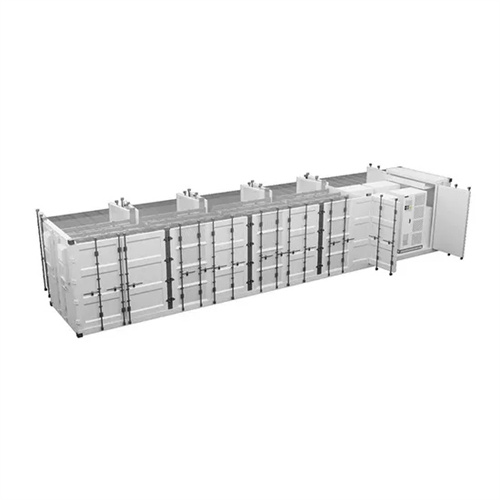
Natural gas explained Natural gas and the environment
Natural gas has many qualities that make it an efficient, relatively clean burning, and economical energy source. However, natural gas production and use have some environmental and safety considerations. Natural gas is a relatively clean-burning fossil fuel

The role of natural gas role in decarbonization | McKinsey
Across the United States, renewable energy sources are impacting natural gas generation. The growth of renewables in the grid, compounded by the increased electrification of energy demand, will expose the grid to the risks of an intermittent renewables supply to meet growing power demand.
