Power backup for data center

Design Considerations of UPS Systems in Data Centers
Given these external factors, commercial businesses, industrial sites and data centers are increasingly reliant on their onsite backup power generation systems. In most cases, a tandem of Uninterruptible Power Supplies (UPS) and generators provides the means for achieving reliable backup power. The generator set serves as long-term power backup

Uninterrupted Operations: The Role of Critical Backup Power in Data Centers
Data centers are critical infrastructures that support business, government, and defense systems and deliver smooth online services to users. However, data centers are also extremely power-hungry and create intense microclimatic conditions through the tremendous heat generated from their server racks, which must be constantly cooled. Additionally, a very

Understanding Key Elements of Data Center Power Distribution
Generally, data center power distribution isn''t an issue until a moment of crisis – a power outage, extreme weather, or equipment failure, for example. Understanding how a data center is powered, as well as what''s required to distribute the power, can help you make sense of the various configurations and equipment used to keep the lights

Choosing Power for Sustainable, AI-Optimized Data Centers
The prime/backup power equation. Next up, my discussion with Dan addressed the theme of power sources, looking at how backup power complements prime power. To take prime power first, data centers run on multiple redundant power sources, usually from

Data Center Backup Power: What You Need To Know
In today''s AI-driven world, finding reliable backup power systems is a major challenge for industries like data centers. By 2050, it''s expected that electricity will lead the way as the primary energy source, making up over 70% of our needs in the future. As renewable

Why do data center operators need battery technology?
Almost as important: The power source must minimize total cost of ownership (TCO) in order to be sustainable. Experienced data center operators need a battery technology that is a proven and powerful solution. These same operators also value other TCO critical factors such as recyclability, safety, and cost.

Data Center Power Distribution & Backup Power | PowerSecure
As a result, businesses need backup power solutions for data centers that are robust, reliable and energy efficient. Consider that typical data centers consume between 10 and 50 times the energy per floor when compared to a typical office building. Without effective data center power monitoring and distribution, even minor disruptions could
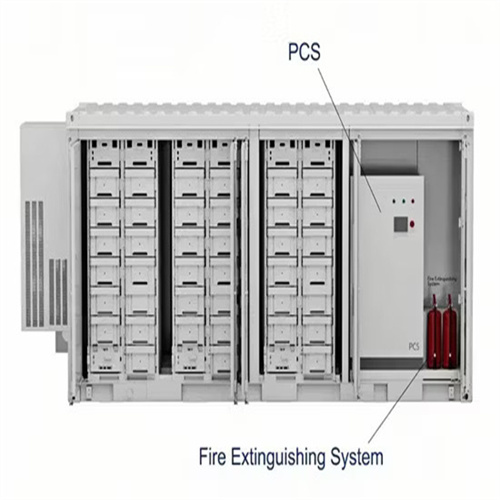
Reliability and economic evaluation of energy storage as backup
In summary, in regions with high utility power reliability, BESS exhibits significant advantages over DG, making it the viable alternative to DG as a backup and load regulation power source for data centers. Beyond backup power and load regulation, BESS can also expand applications such as grid frequency regulation, improving power quality, and

The Future of Backup Energy Storage for Data Centers | STACK
The data center industry is heading toward a carbon-free (and even carbon negative) future, a goal that can only realistically be achieved in part through a renewed and refined focus on energy storage. The Evolution of Data Center Backup Energy. For decades diesel-powered generators have served as a primary backup power source to the public grid.

21 Exceptional Data Center Power Solution Providers
The data center power solution industry is a specialized field primarily concerned with ensuring seamless power supply to data centers. backup generators, and power distribution units (PDUs). They also work on developing sustainable and energy-efficient solutions to meet modern data power requirements, hinting at a future where green power

As data centers evolve, backup batteries will have to change
Power grids are normally very stable, but data centers need a long-term backup power source - usually mechanical generators - that can cover for the grid during prolonged outages, and a short-term one with two jobs: covering for brief fluctuations and, during any long-term outage, powering the data center till the generators start.

Data Centers
Backup Power for Server Farms. Data center server farms have traditionally been powered by the utility, with diesel and natural gas generators, providing necessary backup power. Increasingly, companies relying on data centers understand their greenhouse gas footprint and are seeking more sustainable options.

Design Considerations of UPS Systems in Data Centers
Given these external factors, commercial businesses, industrial sites and data centers are increasingly reliant on their onsite backup power generation systems. In most cases, a tandem of Uninterruptible Power

Data Center Backup Power
At Global Power Supply, we understand that data centers need 100% power reliability, 365 days a year. The world''s technology depends on data centers and with a data center backup power solution from Global Power Supply, you achieve dependable uptimes

A Guide to Data Center Power Design and Infrastructure
Few things are as important to the running of data centers as power. Without power, no data center could support its customers'' systems, and businesses would quickly grind to a halt. UPS systems tend to provide a temporary

Data Centers | Cummins Inc.
Data centers require continuous operation and backup power generation in the event of a power outage. Modern diesel generators (gensets) have advanced to be some of the most fuel and energy-efficient options in the market.

Data Center UPS Systems: Backup Power in the
From basic power backup to sophisticated power management solutions, UPS technology has evolved significantly, becoming an integral part of modern data center infrastructure. As we continue to navigate the

Backup Generators for Data Centers
Backup Generators for Data Centers. Backup generators for data centers provide power when the main source of power is interrupted. Power outages due to utility grid failures, rolling blackouts, inclement weather, natural or man-made disasters, or electrical failure can put data centers at high risk of operational loss.

Data Center Power Distribution: Types, Challenges, and Solutions
A typical power distribution system in a data center includes Power Distribution Units (PDUs), Uninterruptible Power Supplies (UPS), and circuit breakers.PDUs act as the bridging elements that distribute power to multiple servers, while UPS systems provide backup power to keep the data center operational during power outages.

Exploring Backup Power in Data Centers
Having backup power in a data center is an absolute must. Think of data centers as highly specialized facilities with networked computers, storage systems, and servers that all work together to support an organization''s data-driven tasks. Multiple organizations count on a single data center to provide them with the secure information they

Automatic Transfer Switching for Redundant Power Systems
Data Centers An Automatic Transfer Switch (ATS) is a device that automatically switches electrical loads from a primary power source to a secondary one (like a generator) if the primary power source fails. As part of a data center''s backup power system, the purpose of the ATS is to ensure continuity for all types of electrical loads.

Data center backup generators for mission-critical loads
Data center power backup options to deal with downtime. By: Julia Borgini. Importance of backup generator power for data centers. By: Robert McFarlane. Data center power constraints send AI everywhere. By: Antone Gonsalves. Sponsored News.

The Importance of Data Center Backup Power
The Importance of Data Center Backup Power. We all know every data center needs optimal uninterrupted power 24/7. Any lapse in power whatsoever can be devastating because files can be lost or corrupted, mainframes can malfunction, and, ultimately, money can be lost. The following article provides useful information about data center backup

Rethinking Data Center Power
Overcoming Data Center Power Interconnection Challenges As data center development booms, we''re seeing an unprecedented increase in power demand. According to McKinsey, U.S. data center power consumption is expected to reach 35 gigawatts by 2030, up from 17 gigawatts last year. To achieve that level of growth, it''s critical that we work together to
How to maintain data center power systems
Data center power backup options to deal with downtime. Generators, UPS systems and batteries work in tandem to safeguard data centers against power outages, fluctuations and grid failures. Admins must know what system is best for them. Calculate UPS battery backup time to prepare for power failure.
Top 20 Data Center Backup Solutions
Not enough backup power. Power issues are a common reason for a data center failure. There can be many reasons for a sudden power loss, and not being able to counteract that could easily lead to a partial data loss at the very least. it''s still vitally important to back up data centers, create multiple backup copies, store these copies in

ENERGY SOLUTIONS FOR DATA CENTERS | Cat | Caterpillar
Tier 4 Data Center Counts On Cat Backup Power "Consistent and reliable power is imperative as powering the critical IT systems and cooling of the full data centre must remain constant throughout a loss of utility power. The Cat generators help fill this role and ensure uninterrupted service." callRead Full Story

Incorporating Standards, Power Distribution, Backup Generators,
PDUs transform power from 480 volts down to either 400 or 208 volts, depending on the system requirements. In older data centers, 208-volt power was used, but most new data centers use 400 volts. Power distribution units distribute the power to server racks and other IT equipment. Data Center Metrics and Benchmarking

Data Center Backup Power: What You Need to Know
Here is everything you need to know about data center power distribution. 36% of data center outages happen as a result of power failure. Considering these are where your vital computer systems are, any kind of power failure can be devastating to a business. This means if you base your backup power calculations on nameplate power ratings

6 FAQs about [Power backup for data center]
Does a data center need a backup power system?
A reliable supply of power is necessary for data centers. Power outages lead to devastating consequences, from data loss to system downtime, and significantly impact a business's operations and reputation. To reduce the likelihood of impacts from power outages, data center administrators must choose a backup power system.
What is the best backup power system for a data center?
Popular backup power systems are diesel generators, but more environmentally friendly options are available and encouraged, like lithium batteries. However, assessment of the equipment that needs to run on backup power must be done to choose the best system for a data centers.
What is a backup power system?
A backup power system provides redundancy and resilience to keep critical infrastructure online, whether it be a small power fluctuation or a full outage. Most data centers use a combination of uninterruptible power supply (UPS) systems and diesel backup generators for backup power.
Why should a data center use an UPS system?
UPS systems are usually the data center's first option for backup power. They ensure that all hardware has consistent power, which prevents overheating and system failures if power fluctuates or drops completely. They offer scalability, higher redundancy and high energy efficiency.
Which companies use battery backup power?
Google, for example, has a 24/7 year-round data center in Belgium run by battery backup power. Microsoft and TotalEnergies' Saft have a partnership to develop batteries specifically for data centers. Microsoft is also testing hydrogen fuel cells to replace UPS systems and backup generators.
How do I choose a data center UPS system?
The choice of system depends on the specific needs and budget of the data center. At their core, UPS systems provide emergency power during outages, using stored energy to maintain a continuous power supply. They also protect against power surges and fluctuations, which can damage sensitive data center equipment.